
Product category
Rack Beam & Step Beam Lines
Box beam, step beam, self-locked and fully automatic lines for the horizontal load beams that carry the shelf panels across every bay.
Machines in this category
4 machines listed. Every one is built to order and test-run on material before it ships.
-
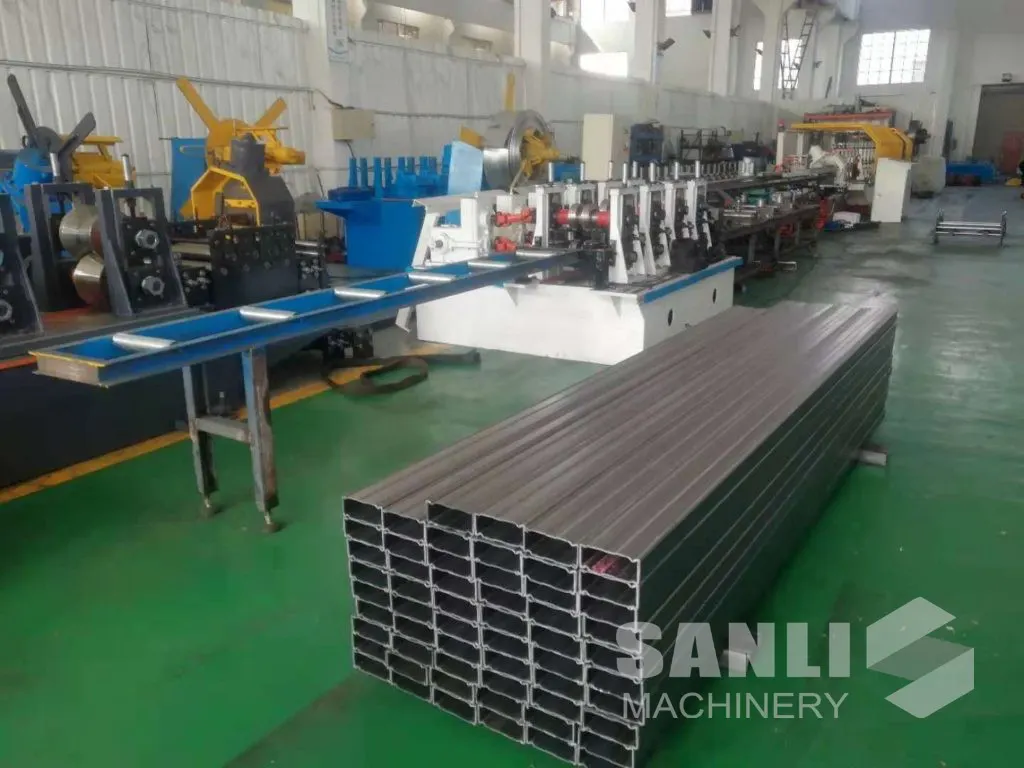
Fully Automatic Rack Box Beam Roll Forming Machine
Fully Automatic Rack Box Beam Roll Forming Machine is used to produce rack box beams for warehouse pallet rack system, which support…
View machine -
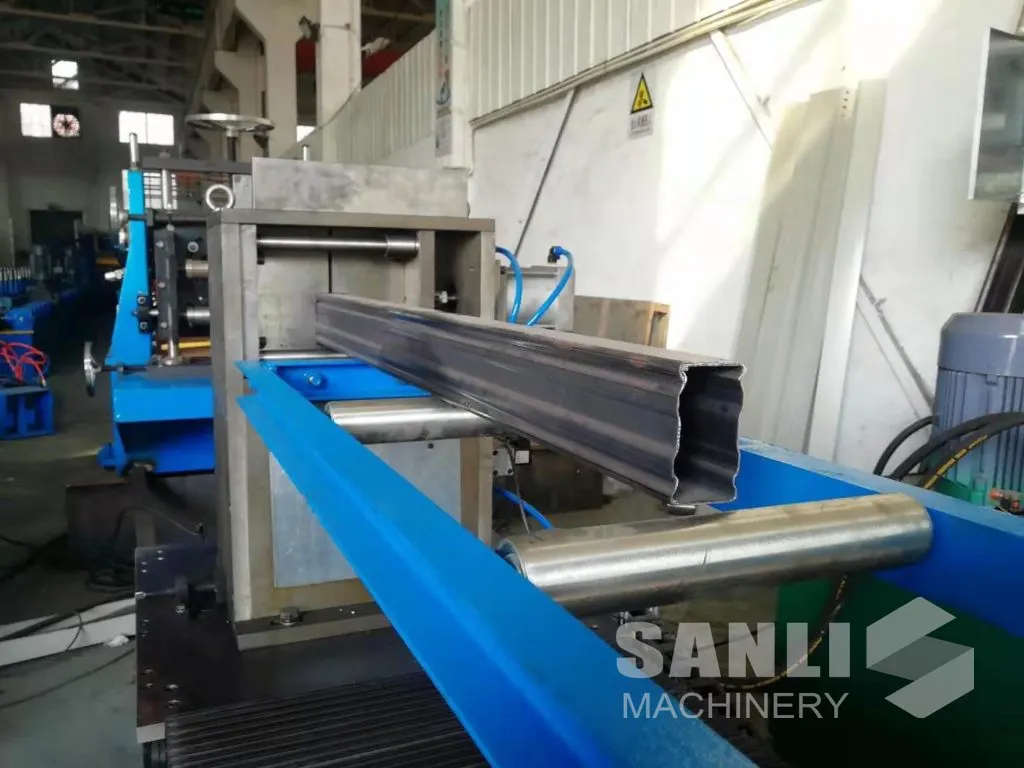
Rack Self-Locked Beam Roll Forming Machine
Rack Self-Locked Beam Roll Forming Machine is used to produce rack beams for warehouse pallet rack system, which support for pallet racks…
View machine -
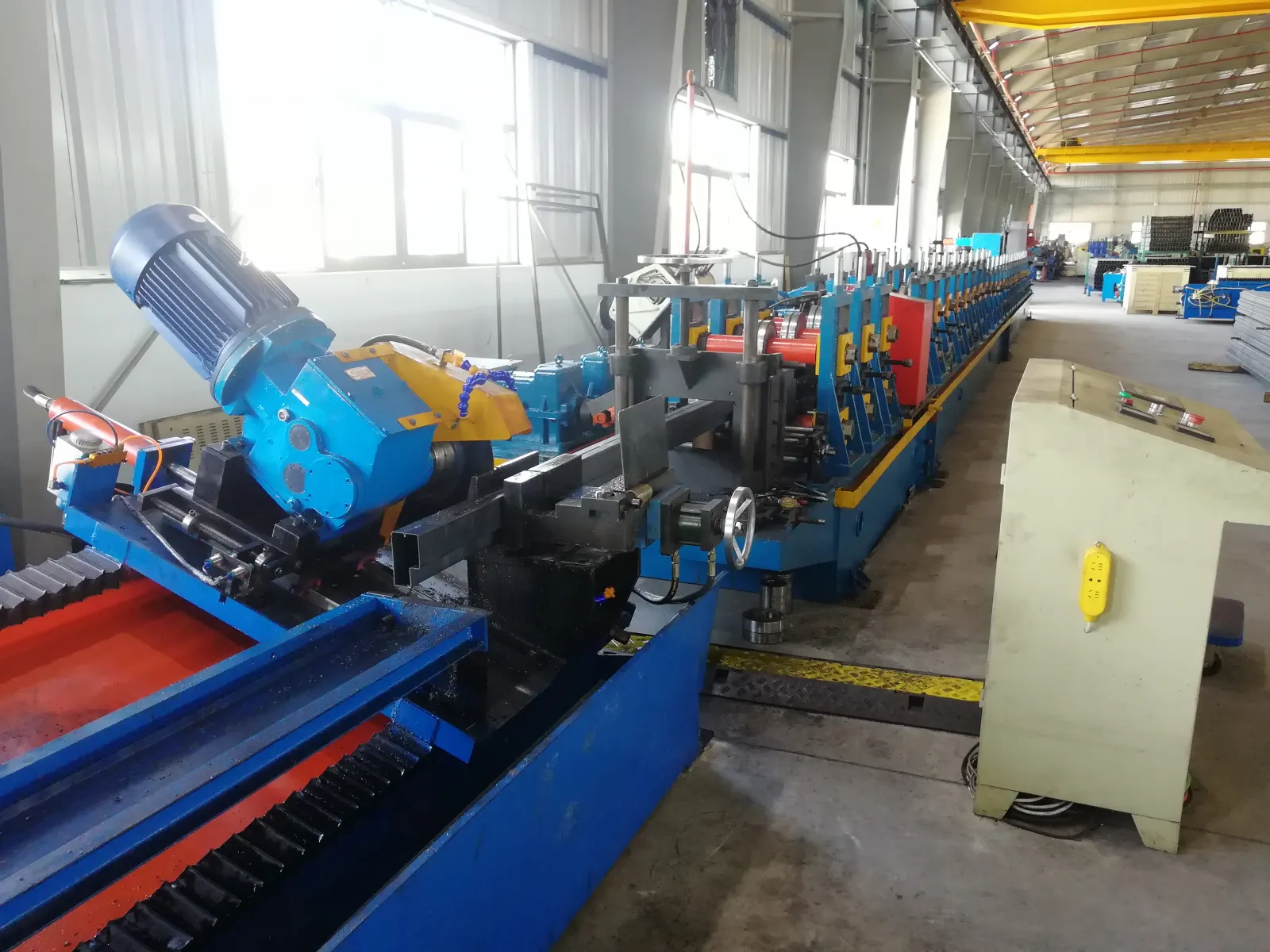
Pallet Rack Step Beam Roll Forming Machine
Pallet Rack Step Beam Roll Forming Machine is used to produce rack P Step beams (also known as cross beams) for warehouse…
View machine -
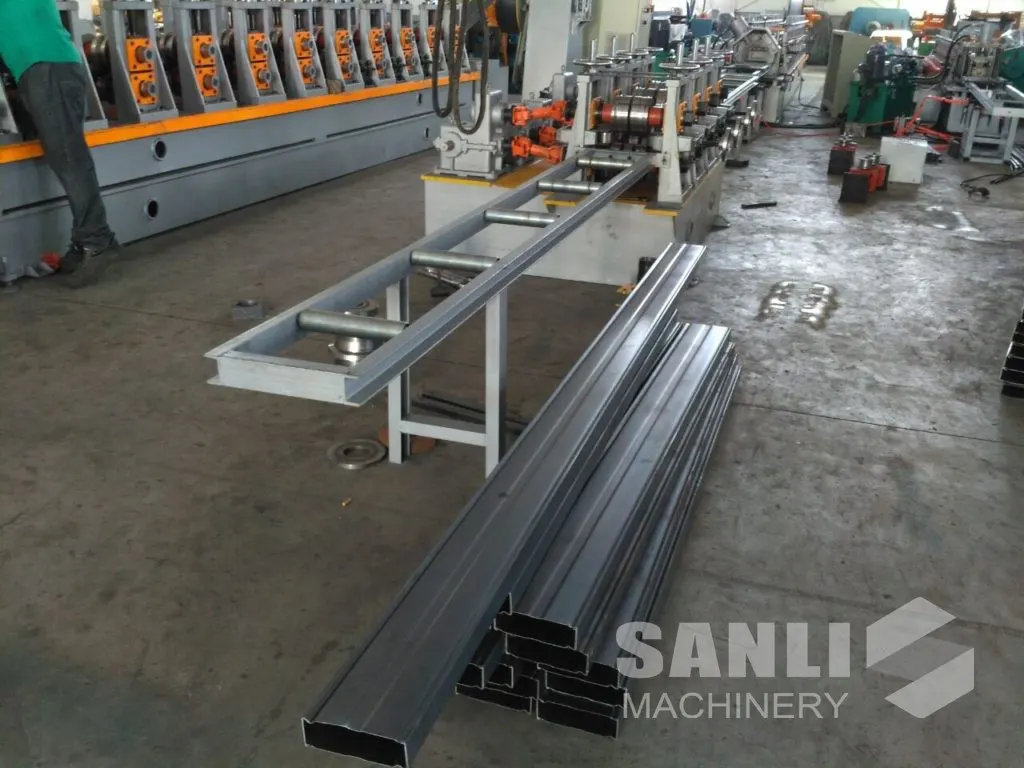
Rack Box Beam Roll Forming Machine
Rack Box Beam Roll Forming Machine is used to produce rack beams for warehouse pallet rack system, which support for pallet racks to…
View machine
How to choose
Choosing within Rack Beam & Step Beam Lines
The seam is the machine
A beam line is defined by how it closes the section. Box beam lines form the strip into a closed rectangle and lock the seam, so the profile is stiff in both directions and the visible face is unbroken. Step beam lines form a two-plane flange instead — an open section with a step that carries the shelf panel — and cannot be run on a box beam line without different roll tooling.
Self-locked beams remove the welding step entirely by folding the seam closed during forming. That is the reason a self-locked line exists at all: it trades a slightly heavier roll set for one less process, one less operator and no weld inspection.
Automatic or standard
The standard lines cut after forming with a flying saw or a fixed cut-off, and the operator handles the finished beam. The fully automatic line adds in-line handling so beams stack without an operator at the exit — worth it when the beam is the bottleneck and the plant runs two or three shifts, not worth it when the line runs one shift and the real constraint is upstream.
Beam thickness for these lines sits in the 1.2–2.0 mm band, and the step beam runs a two-plane flange at 23 stations with a 30 kW main motor. Those numbers are the builds we quote most often rather than the limits of what can be built.
Choosing between box, step and self-locked
If your catalogue is mostly selective pallet racking with standard load beams, box beam and step beam together cover almost everything. If you weld end plates onto every beam, a self-locked line removes that operation. If you supply both box and step beams at volume, two lines are usually cheaper than one line plus changeover downtime — the tooling change is not the cost, the recalibration and scrap on the first lengths are. Tell us the mix and the monthly tonnage and we will say plainly whether a second line pays for itself.
Not sure which line fits your profile?
Send the section drawing, the material and the output you need. We will come back with the machine configuration that produces it — and say so if a different process would suit you better.