
Market · South Asia
Rack Roll Forming Machines in Bangladesh
Bangladesh was the first South Asian market on this list: a P step beam line shipped in December 2019, an upright line in January 2020, and that upright line has been producing pallet racking frames since early 2021.
- Grid
- 380 – 400 V / 50 Hz
- First shipment
- December 2019
- Machines
- Step beam line, upright line
- Port
- Chittagong
What has shipped to Bangladesh
A rack P step beam machine was loaded in December 2019, and an upright line went out in two containers in January 2020, set to produce a 90 × 70 mm upright with the holes punched on line rather than on a separate press.
By early 2021 that upright line was running in the customer's factory, producing uprights for pallet racking frames and staying in production without a roll change beyond routine maintenance. That last detail is the one that matters on a two-machine order: the second machine had to assemble with the first, and it did.
Shipments to Bangladesh on record
| Date | What shipped | Note |
|---|---|---|
| December 2019 | P step beam line | 1.2 – 1.6 mm, 23 stations, 30 kW, fly saw at 18.5 kW |
| January 2020 | Rack upright line | 90 × 70 section, on-line punching, two containers |
| March 2021 | Upright line in production | Running since early 2021 without a roll change |
Dates are loading dates from the project notes on this site; the 2021 record is a production report rather than a shipment.
Why the beam machine came first
Most plants start with the upright, because it carries the longest setup and because a subcontractor is least likely to hold your exact hole layout. This plant started with the beam, and the practical reason is that the beam is the part your own customer sees.
A step beam is the load-carrying member of a bay, formed from 1.2 – 1.6 mm coil into a box section with a stepped upper flange and a pair of connector hooks at each end. Those hooks engage the punch holes in the upright, and that engagement — not the beam section — sets the load rating of the bay. A beam that is dimensionally correct but has its hook pitch out by a millimetre will not seat; it sits on the hook instead of in it, and the installer discovers it at the top of a frame.
Getting that part right first means the frame can be sold while the upright line is still being commissioned.
The 90 × 70 upright, and why on-line punching
90 × 70 is the workhorse section for medium-duty pallet racking: 90 mm face, 70 mm flange, formed from 1.5 – 3.0 mm coil. The face width sets how the beam hook engages and the flange width sets the bracing spacing. A plant running 90 × 70 as its standard section can serve most of a local market without a second roll set, which is why it is the most common first upright line we build.
The holes are punched on the line, between the feeder and the forming machine, so every upright in a batch is in register with its own cut length. Off-line punching on a separate press is cheaper on capital and adds a handling step per piece, plus a position error that has to be controlled at the press rather than at the line. At line speed the difference is not marginal.
Chittagong and the inland leg
Machines discharge at Chittagong and travel inland by road, which is the part of the schedule that buyers under-plan. The two-container upright line needs a crane at the factory end as well as at the port, and the road leg between them decides whether the crates are built to stack two high or travel singly.
The electrical build is 380 – 400 V at 50 Hz. Confirm from a nameplate in your plant rather than from the national standard: factories with their own transformer are common, and the difference between 380 V and 400 V is a winding rather than a setting.
Built for this market
The machines in the Bangladeshi orders
Each of these is a standard build quoted against your drawing, not a catalogue item. Where none of them fits, the custom range starts from the same components.
-
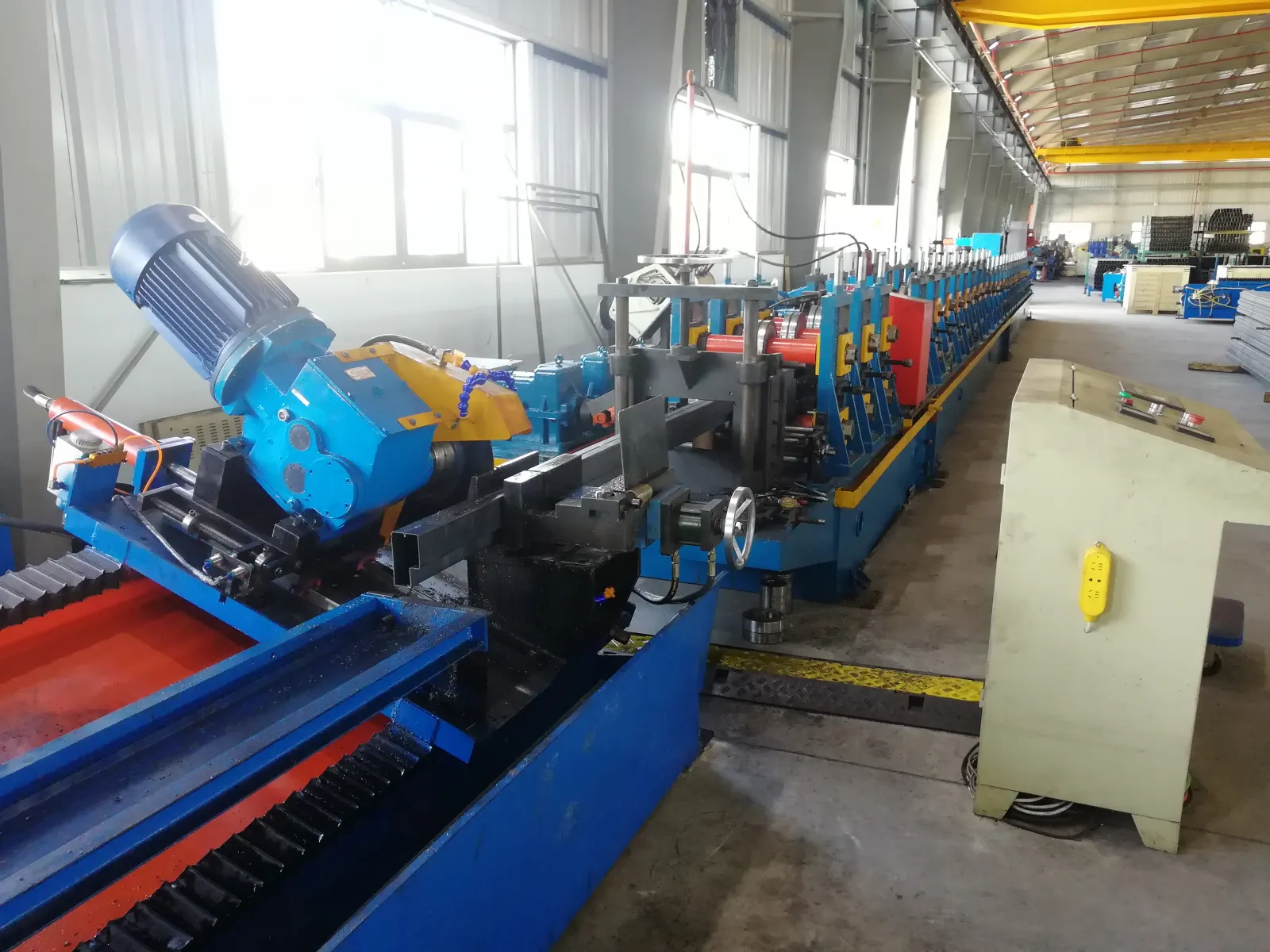
Pallet Rack Step Beam Roll Forming Machine
The machine that shipped first: 1.2 – 1.6 mm, 23 stations, 30 kW, fly saw cut.
View machine -
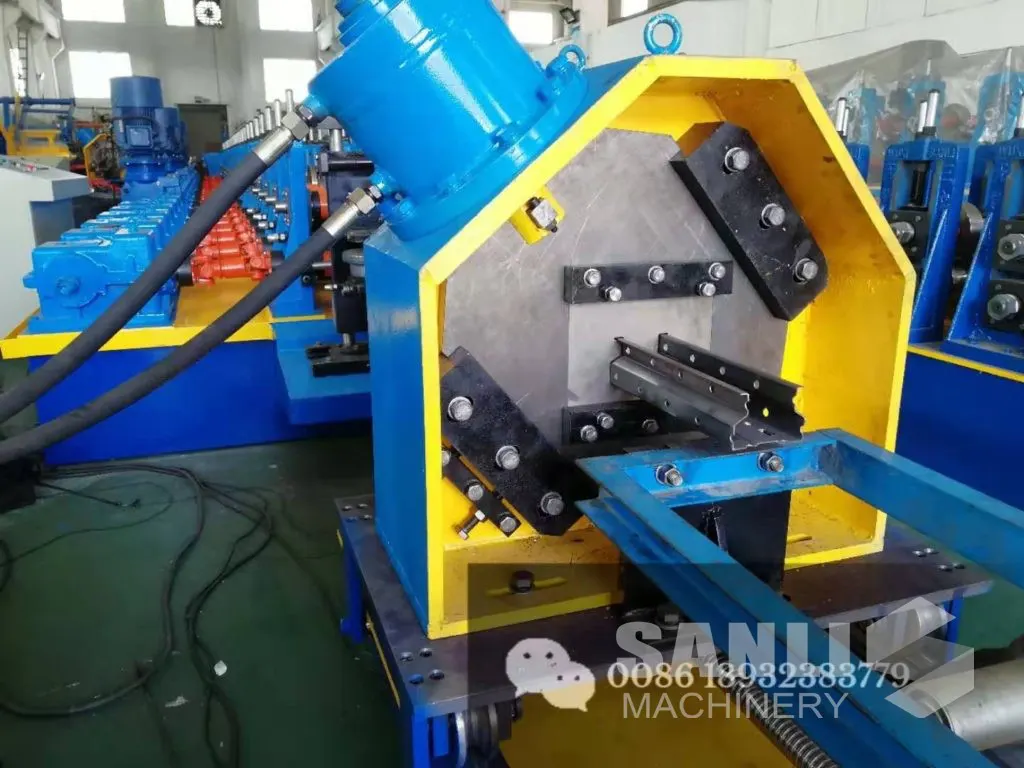
Rack Upright Roll Forming Machine
The 90 × 70 workhorse line: 1.5 – 3.0 mm, 18 stations, holes punched on line.
View machine -
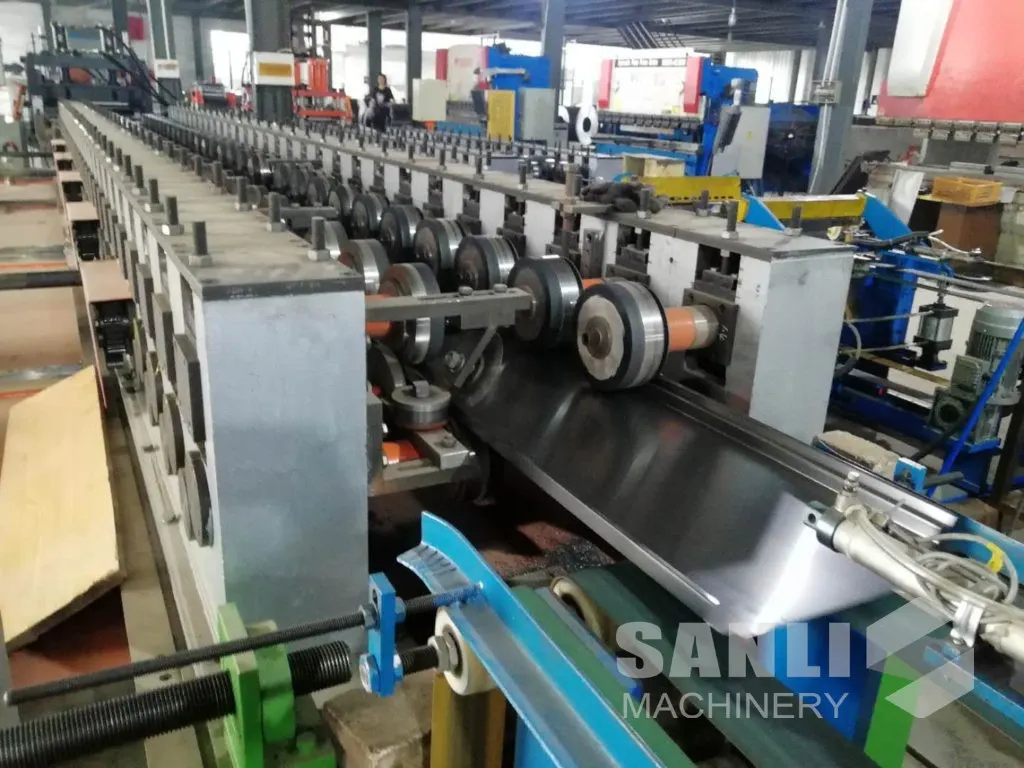
Rack Shelf Roll Forming Machine
The third line most plants add: 0.4 – 1.2 mm through 30 stations to keep the roll pitch short.
View machine
The other side
When one line is the right answer, not two
A two-machine order is a project. A one-machine order is a purchase, and it fails in different ways.
You are buying the second line before the first is loaded
A plant that has not run a roll forming line yet does not know its own changeover cost. Run one machine for a quarter, then order the second against what you learned.
The beam section is bought in cheaper than you can form it
Beams are a commodity section in a way that an upright with your hole pattern is not. If local supply is reliable, form the upright first and buy the beam.
You expect the upright line to make bracing too
Bracing is a third section family at 1.4 – 1.8 mm. A different roll set, a different cut-off and a different output profile — a separate machine, not a changeover.
Before you order
Questions this page usually raises
Can the upright line and the beam line be ordered together?
Yes, and the two shipments here were a month apart rather than years apart, which is what lets the interfaces line up: the bracing has to match the upright flange width and the angle has to sit against both. Ordering together means those dimensions are agreed at the drawing stage instead of at assembly.
What voltage are machines built for in Bangladesh?
380 – 400 V at 50 Hz, confirmed from a nameplate in your plant. The national standard is one thing; a factory with its own transformer is another, and the winding follows the nameplate rather than the standard.
Which port do the machines arrive at?
Chittagong, with the inland leg by road. The road leg is what decides the crate design and the crane requirement at your factory, so it is worth agreeing the discharge port and the inland route before the loading plan is fixed.
How is the first article approved on an export order?
On a measured sample rather than a demonstration: section dimensions, hole pitch, hole-to-edge distance and straightness, measured with the instrument in frame during the test run, recorded, and shipped with the machine as the reference for installation.
In production
Lines running in this market
Written up after commissioning, with the section, the strip and the constraint each project had to work within.
-
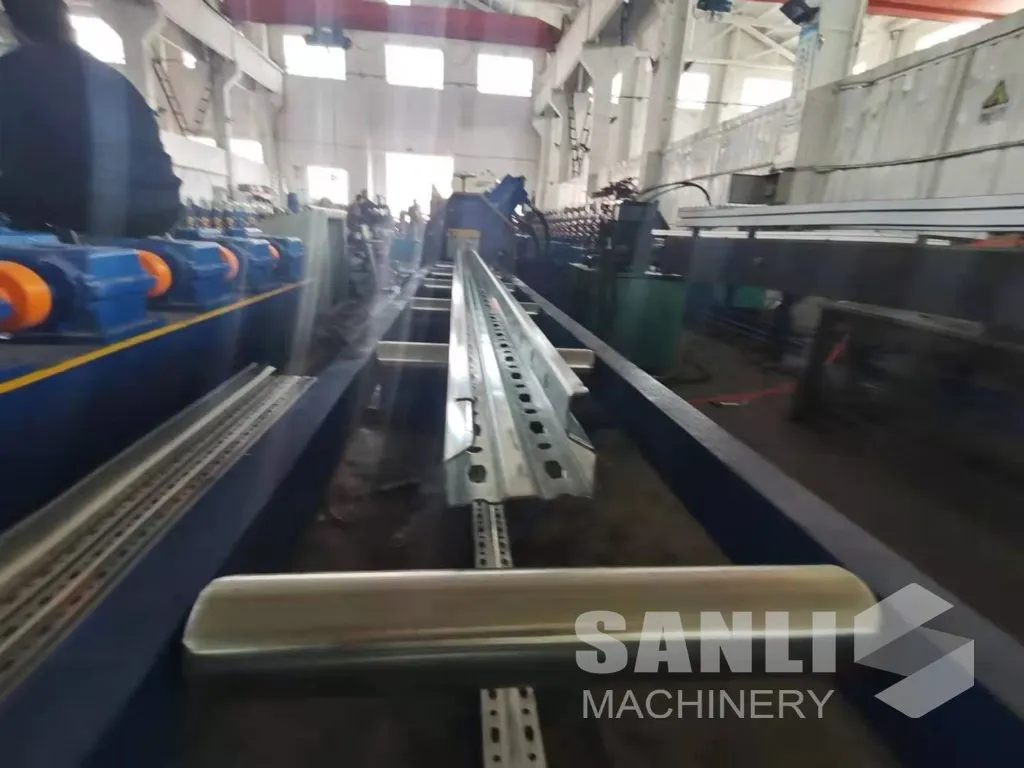
A 90 × 70 Upright Line Running Since 2021
Two containers to Bangladesh in January 2020, uprights in production since early 2021, and no roll change beyond routine maintenance. What kept…
Read the case →
Other markets
Send the drawing and the output you need
The section drawing, the strip grade and the pieces per shift are enough to specify the machine — and enough to tell you if a different configuration would serve you better.